 Canvas Travel

You don't need to spend a fortune to have a fantastic holiday. But you probably don't want to come home feeling that you missed out on everything just to save a few euros, either.
Having travelled to many different destinations, I've learned tha planning a trip on a budget isn't about choosing the cheapest flight, staying in the smallest room or eating supermarket sandwiches every day. It's about working out where your money is best spent and making a few sensible decisions before you leave home.
Here are the things I consider when planning a trip without letting the budget take over.
1. Set your budget before you start booking
It's tempting to start looking at flights as soon as you have a destination in mind. But before you get carried away by a good fare, decide how much you can realistically spend on the entire trip.
Think about flights, accommodation, transport, food, activities and a little extra for unexpected expenses.
I also like to consider what I actually want to do at the destination. A city break focused on museums and sightseeing will have different costs from a beach holiday where you mainly want to relax.
Once you have a rough budget, divide it into categories. You don't need a complicated spreadsheet. Even a simple list of estimated expenses can help you see where the money is going.
My tip: Keep a small buffer for unexpected costs. Spending your entire budget before you even leave home makes it harder to enjoy the trip.
2. Don't choose flights based on price alone
A cheap flight can look like a bargain until you add baggage fees, airport transfers and the cost of travelling at inconvenient times.
Always compare the total cost, not just the fare displayed in the search results.
Check which airport you will arrive at, how much it costs to reach your accommodation and whether your flight times mean paying for an extra night or an expensive transfer.
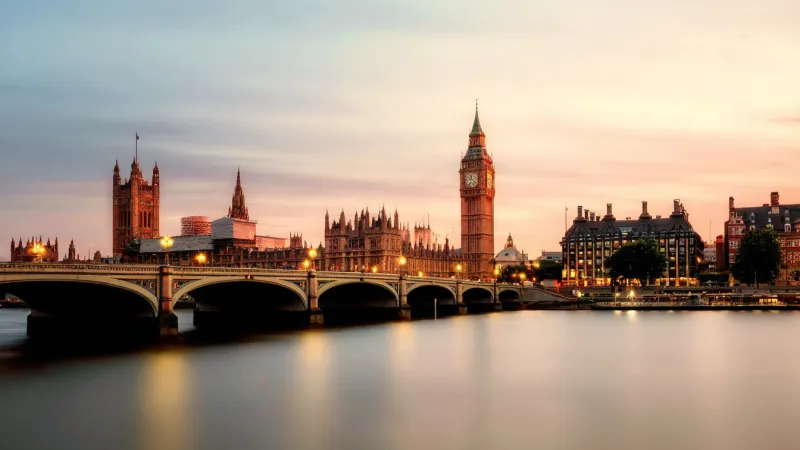
I was reminded of this when planning a London trip that involved arriving at Stansted and departing from Gatwick. The airport journey was part of the planning, not something I could ignore after booking the flights.
A flight that costs a little more can work out better overall if it saves you time, extra transport expenses or a stressful journey.
Also, compare different travel dates if your schedule allows it. Moving your departure by a day or two can sometimes make a meaningful difference.
3. Choose accommodation for its location, not just its price
Accommodation is often one of the biggest expenses of a trip, so this is an area worth researching properly.
Imagine saving €20 per night by staying far outside the city centre, only to spend that money again on transport. You might also lose valuable time travelling back and forth every day.
Before booking, check the location on a map, public transport connections, airport access and the distance to the places you want to visit.
You don't necessarily need to stay right in the centre. A well-connected neighbourhood can offer better value without making sightseeing difficult.
I also recommend grouping the places you want to visit by area. If several attractions are within walking distance of one another, you can spend less on transport and more time enjoying the destination.
4. Decide what is worth paying for
This is probably the most important part of budget travel.
You can't do everything on every trip, and trying to fit every attraction into your itinerary can become expensive and exhausting.
Instead, make a list of the experiences you really don't want to miss. Then build the rest of your plans around them.
Perhaps there's a particular museum you've wanted to visit for years, a boat trip you would love to take or a local experience that makes the destination special to you. If it matters to you, leave room for it in your budget.
On the other hand, you don't have to pay for every attraction just because it's popular.
Many destinations have beautiful parks, historic neighbourhoods, viewpoints, markets and walking routes that you can enjoy for free.
I would rather pay for one experience I genuinely want than spend money on three activities I'm only doing because they're on a tourist checklist.
Check attraction prices and opening hours before travelling, and look for free-entry days or combined tickets where available. Booking popular activities in advance can also help you avoid disappointment.
5. Save on food without missing the local experience
Food can quietly take a big bite out of your budget, especially when every meal is eaten in a tourist-heavy area.
One option is to have breakfast at your accommodation or pick up something simple from a local bakery. For lunch, you could try a market, a casual café or a local takeaway. Then you can keep some of your budget for a proper dinner or a regional speciality you've been looking forward to trying.
When I travel, discovering local food is part of the experience. I wouldn't want to miss that just to save a little money every day.
It's also worth looking a few streets away from the busiest tourist areas. You may find more reasonably priced places, although it's always worth checking the menu before sitting down.
6. Use public transport and plan your days sensibly
Taxis and ride-hailing services are convenient, but using them for every journey can quickly increase your expenses.
Before travelling, check whether a public transport pass makes sense for your plans. Compare its price with the cost of buying individual tickets, because a pass isn't automatically the cheapest option.
Walking is another excellent way to explore, particularly in compact cities where many sights are close together.
I also recommend planning your sightseeing geographically. Instead of crossing a city several times in one day, visit nearby attractions together.
For longer trips, think about transport between destinations as well. Sometimes staying in one base for several nights and taking day trips is cheaper than changing hotels constantly. In other cases, moving on makes more sense. Compare the accommodation, transport and time involved before deciding.
7. Don't cut corners on travel essentials
There are some expenses I wouldn't try to eliminate completely.
Travel insurance, for example, can protect you against certain unexpected costs, depending on the policy and its exclusions. Check what is covered before deciding what you need.
It's also worth checking baggage allowances, entry requirements and cancellation conditions before booking. A small mistake can become an expensive problem later.
You can read more in my guide to travel insurance and what it actually covers.
Finally, leave some room in your budget for the unexpected. You might discover something you want to do, need an extra transfer or simply decide to enjoy a longer lunch somewhere lovely.
If you're organising your next trip, you can also explore my suggested itineraries for ideas on how to organise your days and make the most of your time at a destination.
Final thoughts: Spend where it matters to you
Save on the things that don't matter much to you, compare prices before booking and make room for the experiences you'll remember long after you return home.
The best budget is one that lets you enjoy your trip without worrying constantly about money.
Have a Question?
If there's something I haven't covered, feel free to get in touch. I'm always happy to help.
You can reach me at [email protected], through the contact form, or in the chat in My Club if you're a member.
Finding My Travel Content Helpful?
Buy me a coffee and it's got your name on it: €2 keeps every guide free, and makes you a VIP member of the club, for good. See what VIP members get.
Support me with 2€










Travel Club
Ready to plan something worth remembering?
Tell us your dates and we'll help you shape the trip around it.
To: you, wherever you go nextStart Your Free Consultation