 Canvas Travel
When I plan a trip, I usually have the big expenses in mind first: flights, accommodation, transport and food.
But after years of travelling, I've learned that the things that make a trip more expensive are often the smaller costs you don't think about when you first start planning.
A flight might look affordable until you add luggage and a seat. A hotel might seem reasonably priced until you discover a local tourist tax. And then there are all those coffees, airport transfers and little purchases that somehow add up.
None of these expenses are necessarily a surprise. They're just easy to forget.
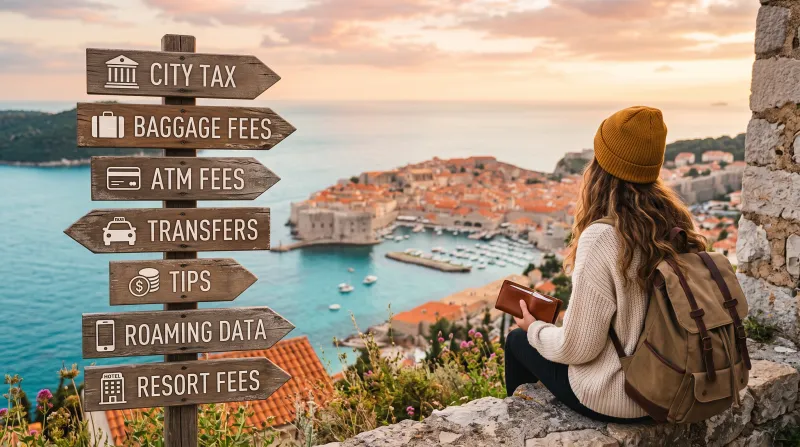
Here are seven travel costs I always keep in mind when working out the real budget for a trip.
1. Airport Transfers
Getting to your destination is only part of the journey. You also need to get from the airport to where you're staying.
Sometimes this is easy and inexpensive. A train or public bus can take you straight into the city. Other times, especially if you arrive late at night or stay somewhere away from the centre, a taxi or private transfer may be much more convenient.
I've had trips where the flight was one of the cheapest parts of getting there, but the airport was so far from the city that the transfer became a noticeable part of the budget.
This is something I now check before booking a flight, particularly when there are several airports to choose from.
My tip: Don't compare flights based only on the ticket price. Check the airport, arrival time and cost of getting to your accommodation too.
Welcome Pickups is one option for arranging a private transfer in advance, which can make the arrival part of the trip a little easier.
2. Baggage and Seat Selection
A cheap flight isn't always a cheap flight once you've added everything you actually need.
Depending on the airline and fare, you may have to pay extra for a larger cabin bag, checked luggage or even choosing your seat.
For a short city break, I often prefer travelling with a small carry-on because it keeps things simpler. But if I'm travelling for longer or somewhere where I need more clothing, I include the baggage cost when comparing flights.
The same applies to seat selection. You might not care where you sit, or you might want to sit together if you're travelling with someone else.
Either way, it's better to know the real price before you book.
My tip: When comparing flights, look at the total price for the luggage and seating you actually need, not just the starting fare.
3. Tourist Taxes
This is one of those costs that can easily disappear from your travel budget because it isn't always included in the hotel price you initially see.
Many destinations charge a tourist or city tax, sometimes calculated per person and per night. The amount and rules vary depending on the destination and accommodation.
It may only be a small amount, but if you're staying for a week or travelling with several people, it can add up.
I've learned to check the hotel's booking conditions before assuming the displayed price is the final amount.
My tip: When booking accommodation, look for wording such as "city tax", "tourist tax" or "local tax" and check whether it is included or payable at the property.
Take a look at my guide on what to check before booking a hotel for the things I always look at before making a reservation.
4. Getting Around Once You're There
It's easy to budget for your flight and hotel and then forget that you'll still need to move around once you arrive.
Depending on the trip, this could mean metro tickets, buses, trains, taxis, airport transfers or car parking.
For a city break, public transport can be very affordable, but even then, several journeys a day can become a meaningful expense. And sometimes paying for a taxi makes sense if you've just arrived with luggage or you're travelling late at night.
I've also found that the transport cost can change the way I plan a trip.
If a hotel is significantly cheaper but requires long journeys every day, the saving may not be as good as it first appears.
My tip: Before booking a hotel, check how easy it is to reach the places you actually want to visit. A convenient location can save both time and money.
5. Food and Drinks on Travel Days
Food is an obvious travel expense, but it's surprisingly easy to underestimate it.
The mistake I often see is budgeting for meals at the destination but forgetting about the food you buy while travelling.
A coffee before a flight. Breakfast at the airport. A sandwich on the train. A bottle of water after arriving. A quick snack because your hotel check-in isn't until the afternoon.
None of these purchases feels significant on its own.
But add them together over a travel day, especially when you're travelling for several weeks, and they can make a difference.
I also don't like planning a trip so tightly that I feel guilty about buying a coffee or having a long lunch just because it wasn't in the original budget.
My tip: Give yourself a daily food budget, but leave a little flexibility for travel days and spontaneous stops.
6. Attractions, Tours and Small Activities
When I think about a destination, I usually have a few things I definitely want to see or do.
The problem is that these costs can easily get left out of the initial budget.
A museum ticket might be inexpensive. A guided tour might cost more. A special viewpoint, boat trip, cooking class or day trip can add another amount to the total.
This is particularly important when travelling somewhere for the first time because you may discover activities you hadn't planned for before you arrive.
I like to separate my activities into two groups:
Things I definitely want to do
These go into the budget before the trip.
Things I'd like to do if I have time and money
These become optional extras.
That way, I know what I can afford without feeling like every activity has to be planned months in advance.
My tip: Make a short list of the activities you really don't want to miss and check their prices before finalising your travel budget.
If you're planning to include tours or activities in your trip, it's worth checking prices before you travel rather than adding them to the budget once you're already there. I often look at GetYourGuide to compare tours, day trips and experiences at different destinations. Booking a few of the activities you really want in advance can also make it easier to see how much your trip will actually cost.
7. The Things You Forgot to Pack
This is probably my favourite category because it happens to almost everyone.
You arrive at your destination and realise you've forgotten something.
Maybe it's a phone charger. An adapter. Sunscreen. Toothpaste. A rain jacket. A reusable water bottle.
So you buy it.
It's not a disaster, but it's another expense that wasn't in your original budget.
This is one reason I like using a packing checklist. It isn't just about remembering your clothes. It's also about avoiding unnecessary purchases when you're already travelling.
For longer trips, I find this particularly useful because there are simply more things to remember.
My tip: Do a quick packing check a few days before leaving rather than waiting until the night before. A simple checklist can save you money as well as stress.
If you want to avoid those last-minute purchases, I recommend using a travel packing checklist before you leave. I use checklists because it's much easier to spot something you've forgotten at home than when you're already standing in a hotel room trying to find a charger or adapter.
My Simple Travel Budget Check
Before I book a trip, I now ask myself:
- What will the flight really cost once I add the extras I need?
- How much will I spend getting to and from the airport?
- Is there a tourist tax?
- How much will I spend getting around?
- Have I included food and drinks on travel days?
- Which attractions or tours do I definitely want to book?
- Am I likely to need to buy anything after arriving?
- Have I left some money aside for unexpected expenses?
It only takes a few minutes, but it gives me a much more realistic idea of what the trip will actually cost.
Have a question?
If there’s something I haven’t covered, feel free to get in touch. I’m always happy to help.
You can reach me at [email protected]
Finding my travel content helpful?
If you enjoy my content and would like to support what I’m creating, you can buy me a coffee. Your support helps me keep creating independent travel content and guides.
Support me with 2€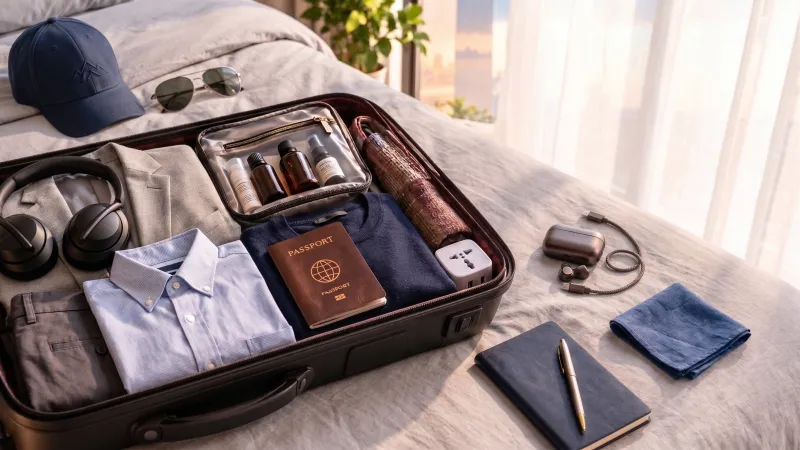








Recommended Travel Resources
Affiliate disclosure: Some of the links below are affiliate links. If you book or buy through one of them, I may earn a small commission at no additional cost to you.
Ready to plan something worth remembering?
Tell us your dates and we'll help you shape the trip around it.
Start Your Free Consultation